

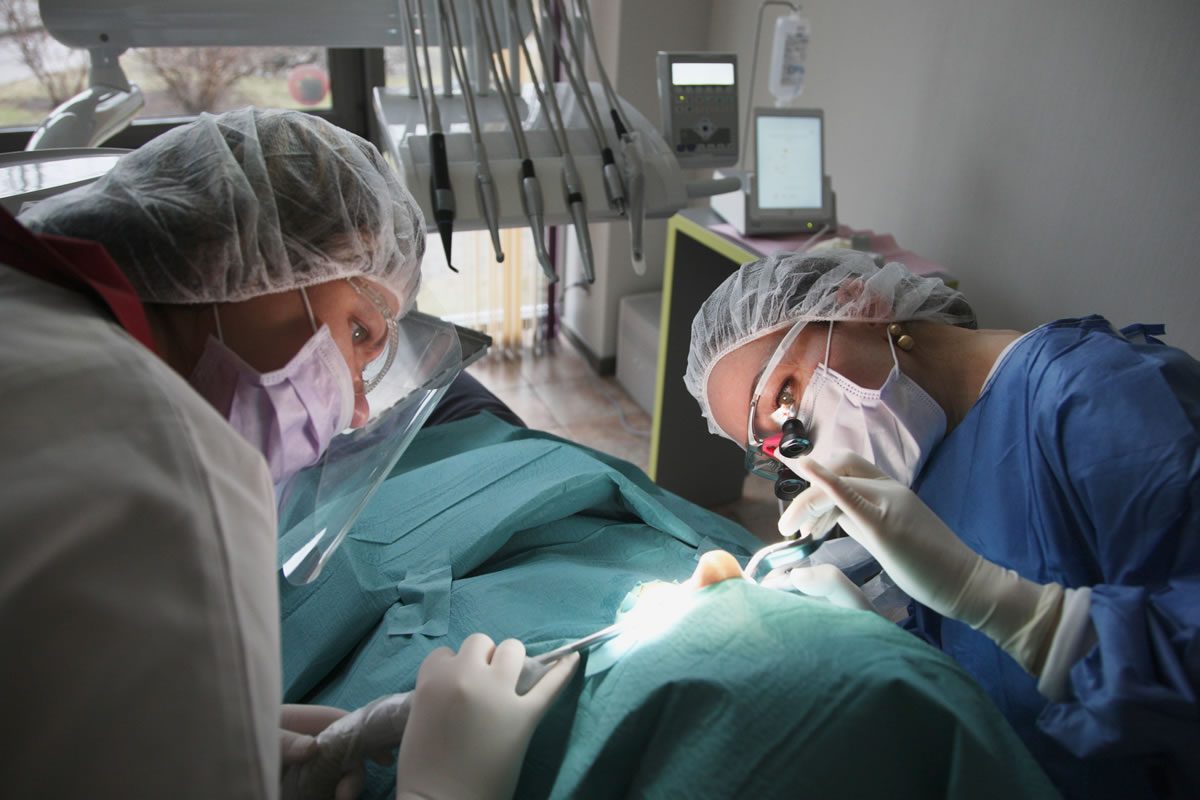
 Entering the realm of oral and maxillofacial surgery can be an overwhelming experience for first-timers. Dr Mark Austin, an esteemed practitioner in the field, offers a comprehensive guide to ease anxieties and empower patients to make informed decisions about their oral health.
Understanding the World of Oral and Maxillofacial Surgery
At its core, oral and maxillofacial surgery is a specialized branch within dentistry that addresses a myriad of issues affecting the head, neck, face, jaws, and oral and maxillofacial regions. From routine procedures like extracting impacted teeth to intricate interventions such as jaw reconstruction, the field spans a wide spectrum of treatments.
Transformative Benefits
The impact of oral and maxillofacial surgery extends far beyond the operating room. These procedures can significantly enhance the quality of life by rectifying functional problems, alleviating chronic pain, improving aesthetics, and promoting overall oral health. Common interventions include tooth extractions, dental implant placements, corrective jaw surgeries, and the treatment of facial injuries and oral cancer.
Initiating the Journey: Patient Evaluation and Consultation
Embarking on the path of oral and maxillofacial surgery begins with a thorough consultation. Dr Mark Austin emphasizes the importance of this initial step, where your medical and dental history is reviewed, a comprehensive examination is conducted, and a personalized treatment plan is discussed. X-rays or CT scans may be employed for a detailed understanding of your case, providing an opportunity for patients to ask questions and address concerns.
Preparing for Surgery: Following the Guidelines
Before undergoing surgery, patients receive detailed pre-surgical instructions from their oral and maxillofacial surgeon. These instructions cover a range of topics, including fasting guidelines, medication information, and appropriate attire for the day of the procedure. Adhering to these instructions is crucial to ensuring a smooth and complication-free surgery.
Common Procedures and Anesthesia: Navigating the Terrain
Tooth extraction, particularly the removal of impacted wisdom teeth, stands as one of the more common procedures in maxillofacial surgery. Additionally, dental implant surgery, a key treatment for replacing missing teeth, is a routine intervention. Dr Mark Austin highlights the extensive training oral and maxillofacial surgeons undergo in administering anesthesia, offering patients options such as local anesthesia, sedation, or general anesthesia based on the complexity of the procedure and individual comfort levels.
Post-Surgical Care: Supporting Your Recovery
Following surgery, a vital aspect of the process involves post-operative care. Surgeons provide specific instructions covering dietary adjustments, pain management medications, and oral hygiene guidelines. This attentive post-surgical care is essential for minimizing pain, reducing infection risks, and ensuring the success of the procedure.
A Reassuring Conclusion: Trusting in Expert Hands
Dr Mark Austin reassures patients that they are in capable hands, emphasizing the extensive training oral and maxillofacial surgeons undergo beyond dental school. Their holistic expertise, merging medicine, dentistry, and surgery, ensures a comprehensive approach to treatment. As patients prepare for their first oral and maxillofacial surgery, Dr. Austin encourages them to take a deep breath, prepare diligently, and confidently anticipate improved oral health.
Exploring New Frontiers: The Intersection of Technology and Oral Health
In the ever-evolving landscape of dentistry, the intersection of technology and oral health is revolutionizing the way we approach dental care. From advanced diagnostic tools to innovative treatment modalities, technology is reshaping the patient experience and opening new frontiers in oral healthcare.
Embracing the Digital Age in Dentistry
Digitalization has permeated every facet of our lives, and dentistry is no exception. Modern dental practices leverage cutting-edge technologies such as digital X-rays, intraoral scanners, and 3D printing to enhance diagnostic accuracy and treatment precision. These advancements not only streamline procedures but also contribute to a more comfortable and efficient dental experience for patients.
Teledentistry: Breaking Barriers for Accessible Care
The advent of telehealth has extended its reach to dentistry, giving rise to the concept of teledentistry. Virtual consultations, remote monitoring, and digital communication platforms enable patients to connect with dental professionals from the comfort of their homes. This not only enhances accessibility for individuals in remote areas but also provides a convenient alternative for those with busy schedules.
AI in Dentistry: Transforming Diagnosis and Treatment Planning
Artificial intelligence (AI) is making significant inroads into dentistry, revolutionizing diagnosis and treatment planning. AI algorithms analyze patient data, detect patterns, and assist dentists in formulating personalized treatment plans. From predictive analytics for oral diseases to virtual simulations of treatment outcomes, AI is reshaping the landscape of dental care.
The Rise of Teledentistry: A Boon for Preventive Care
Teledentistry is emerging as a powerful tool for preventive care. Remote monitoring of oral health, virtual consultations for oral hygiene guidance, and digital platforms for educational resources empower patients to proactively manage their dental well-being. This shift towards preventive teledentistry aligns with the broader healthcare trend of focusing on wellness and early intervention.
Navigating the Future: Patient-Centric Technological Integration
As technology continues to evolve, the future of dentistry promises even more patient-centric advancements. From personalized treatment plans based on genetic data to real-time monitoring of oral health metrics through wearable devices, the integration of technology aims to make dental care more individualized, accessible, and preventive.
In conclusion, the synergy between technology and oral health is shaping a new era in dentistry. Patients can look forward to a future where precision, accessibility, and preventive care take center stage, transforming the dental experience into a seamless and patient-centric journey.

